Health & Wellbeing
Ergonomics Guide
Learn how to set up your workspace for maximum comfort, productivity, and long-term health.
Health & Wellbeing
Learn how to set up your workspace for maximum comfort, productivity, and long-term health.
Why It Matters
Poor workplace ergonomics is one of the leading causes of musculoskeletal disorders, chronic pain, and reduced productivity. The good news is that small, thoughtful adjustments to your workspace — and the right furniture — can make a significant difference to your health and wellbeing. At KM Furniture, we believe every workspace should be designed with the person in mind.
Step by Step
Adjust your desk height so your elbows are at a 90° angle when typing. Your forearms should be roughly parallel to the floor. A height adjustable desk makes this effortless for every user.
Position your monitor at arm's length (50–70 cm) away and at eye level or slightly below. This reduces neck strain and eye fatigue. A monitor arm gives you full, effortless adjustability.
Adjust your chair so your feet are flat on the floor and your knees form a 90° angle. Your lower back should be supported by the lumbar support. Armrests should allow your shoulders to relax.
Position your desk to avoid glare on your monitor. Natural light from the side is best. Use a desk lamp for supplementary task lighting if needed, and consider an anti-glare screen filter.
Alternate between sitting and standing throughout the day. A common recommendation is 20–30 minutes standing for every hour of sitting. Build up gradually if you're new to standing work.
Regular micro-breaks (5 minutes every hour) to stretch and move are essential. Follow the 20-20-20 rule for eye health: every 20 minutes, look at something 20 feet away for 20 seconds.
54%
of office workers experience back pain from prolonged sitting
46%
productivity increase reported by sit-stand desk users
87%
of workers feel more energised with an ergonomic setup
2x
less likely to experience musculoskeletal issues with proper ergonomics
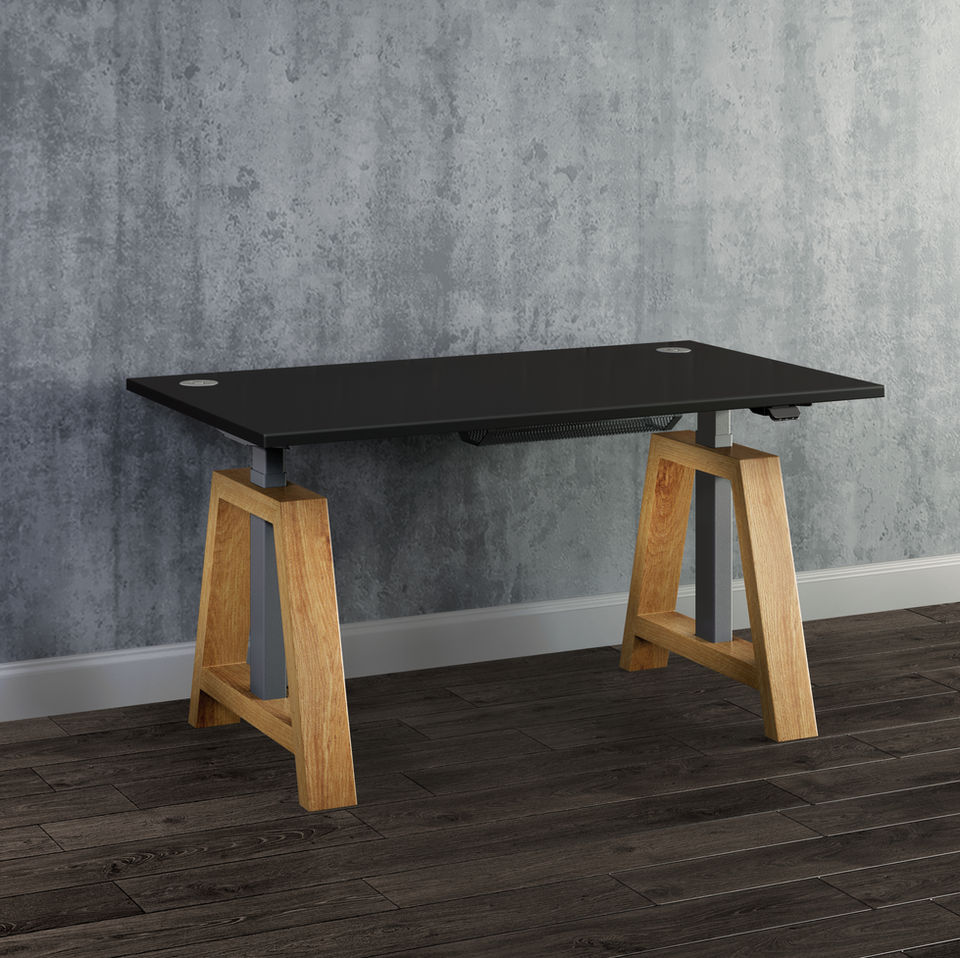
Height Adjustable Desks
Research shows that alternating between sitting and standing can reduce chronic lower back pain by up to 54%. When paired with a good ergonomic chair, a height adjustable desk provides the best possible support for your spine.
Standing for portions of the day has been shown to lower fatigue and boost mood. Many users report feeling more alert and engaged during their working hours after switching to a sit-stand desk.
Prolonged sitting is associated with an increased risk of cardiovascular disease. Breaking up sitting time by standing regularly can help counteract these negative effects and support long-term heart health.
Standing while working can increase cognitive performance and concentration. Studies indicate that knowledge workers using sit-stand desks reported up to 46% higher productivity scores compared to traditional desk users.
Common Questions
Browse our range of ergonomic furniture or get in touch to discuss your specific needs with our team.